Noble Thief or Convenient Myth? Measuring Lupin III's Moral Compass Against History's Real Outlaws
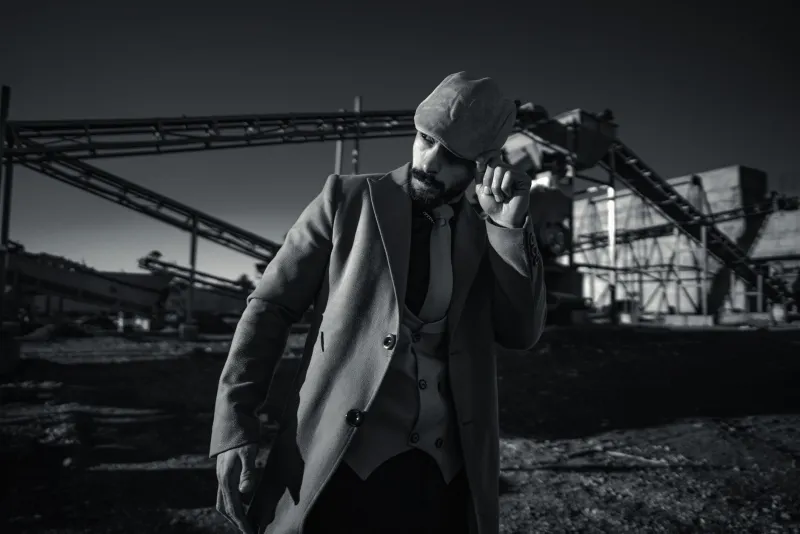
There's a moment in almost every Lupin III story where he does something that shouldn't make you root for him — and yet you do anyway. He's a thief. A career criminal. A man who has stolen from governments, museums, private vaults, and probably a few people who genuinely did not deserve it. And somehow, across decades of TV specials, films, and manga chapters, American audiences keep giving him a pass. More than a pass, actually. They love the guy.
That affection rests heavily on the idea that Lupin operates by a code. He targets the corrupt. He protects the innocent. He refuses to harm bystanders. He'll return a stolen item if the stakes are high enough. The franchise has built an entire mythology around the notion that Lupin isn't just a thief — he's a principled thief, which apparently makes all the difference.
But here's the uncomfortable question worth sitting with: is that code real, or is it a narrative convenience? And how does it actually compare to the historical figures who claimed similar justifications for their crimes?
What the Code Actually Says
Lupin's ethical framework isn't written down anywhere, but the franchise has been pretty consistent about its shape. He generally targets people who've accumulated wealth through exploitation, corruption, or outright villainy. He avoids hurting civilians. He has a peculiar soft spot for women in distress. And crucially, when a heist threatens to cause genuine harm to innocent people — the kind of collateral damage that goes beyond bruised egos and emptied safes — he's historically been willing to abandon the score entirely.
The Castle of Cagliostro is the clearest expression of this. Lupin walks away from a fortune in counterfeit currency and ancient treasure because protecting Clarisse matters more. That's not the behavior of someone using 'noble thief' as a PR strategy. That's a guy with an actual priority list.
But the TV series and later specials complicate this picture considerably. Lupin steals from people who aren't obviously corrupt. He causes enormous property damage. He manipulates people emotionally, sometimes cruelly. The code bends and flexes depending on the story being told, which raises a fair question about whether it's a genuine moral framework or just a set of narrative guardrails the writers use when they need the audience to stay on his side.
Robin Hood: The Original Rebranding Campaign
Before we judge Lupin too harshly, it's worth remembering that Robin Hood — the archetype he's implicitly measured against — has a similarly complicated historical reality. The Robin Hood of medieval ballads wasn't a particularly noble figure by modern standards. He was violent, occasionally cruel, and his 'rob the rich, give to the poor' reputation was largely a later addition to the mythology, retrofitted onto stories that were originally just about a clever outlaw who outsmarted corrupt officials.
The American version of Robin Hood is almost entirely a romanticized construction. The 1938 Errol Flynn film did more to cement the 'gentleman outlaw' archetype in the American imagination than any historical source. Which means that when we compare Lupin to Robin Hood, we're really comparing him to a fictional ideal built on top of another fictional ideal. It's myths all the way down.
Real historical outlaws who claimed Robin Hood-style motivations — Jesse James, Pretty Boy Floyd, Ned Kelly in Australia — present an even messier picture. Jesse James genuinely believed he was fighting on behalf of Confederate sympathizers and dispossessed farmers, and some communities did treat him as a folk hero. He also murdered people, robbed banks that served working-class depositors, and enriched himself considerably in the process. Pretty Boy Floyd reportedly did pay off farmers' mortgages and destroy bank debt records during robberies, but he also killed at least one law enforcement officer and left a trail of violence across the Midwest. The noble narrative was real to the people telling it. The full story was considerably darker.
Where Lupin Actually Holds Up
Here's the thing, though: when you measure Lupin against those real figures rather than their mythologized versions, he comes out looking surprisingly decent.
His most consistent trait across the franchise isn't cleverness or style — it's restraint. He almost never kills. In a genre where antiheroes frequently justify lethal violence as a necessary cost of doing business, Lupin's body count is remarkably low. He prefers humiliation over harm. He'd rather make a corrupt official look like a fool in front of the international press than put a bullet in them, and that preference is meaningful. It suggests a genuine aversion to irreversible consequences, which is more than you can say for most of history's celebrated outlaws.
His treatment of bystanders is also genuinely consistent in a way that historical Robin Hood figures weren't. Jesse James's gang didn't much care whether ordinary people got caught in the crossfire. Lupin will blow up a building but he'll spend twenty minutes making sure it's empty first.
Where the Myth Does the Heavy Lifting
The weakest part of Lupin's moral framework is the targeting logic. The franchise wants us to believe he primarily steals from people who deserve it, but the evidence is inconsistent. He's stolen from museums, which ultimately means stealing from the public. He's manipulated ordinary people to serve his schemes. He's caused financial and emotional harm to individuals who weren't corrupt so much as just inconveniently positioned.
This is where the 'gentleman thief' label functions more as audience management than genuine ethics. We accept the framing because Lupin is charming and the victims are usually portrayed as cold or unsympathetic, but the logic doesn't always survive scrutiny. It's the same mechanism that made audiences sympathize with Jesse James — strategic storytelling that keeps the camera on the appealing parts and soft-focuses the rest.
The difference is that Lupin's franchise is self-aware about this in ways that historical outlaw mythology never was. The better Lupin stories don't pretend he's a saint. They let the tension between his genuine moments of principle and his convenient rationalizations sit on screen without fully resolving it. That honesty is, paradoxically, what makes the code feel more real rather than less.
The Verdict
Lupin III's moral framework is neither pure myth nor unimpeachable principle. It's something more interesting than either — a genuinely held set of values that he applies inconsistently, bends when it's convenient, but returns to when the stakes actually matter. That's not so different from how most people operate, which might be exactly why audiences find it so easy to believe in.
Compared to history's actual noble outlaws, he holds up better than you'd expect. Lower body count, more consistent protection of bystanders, and a demonstrated willingness to walk away from a score when the human cost gets too high. The myth does some work for him, sure. But there's enough substance underneath it that calling the whole thing a romanticized cover story feels like selling him short.
Maybe the most honest thing you can say is this: Lupin III is as principled as a thief can reasonably be, which isn't the same as being principled in any absolute sense — but it's a lot more than most of history's beloved outlaws ever managed to pull off.