Stone, Myth, and Miyazaki: The Real Architecture Hidden Inside Castle Cagliostro
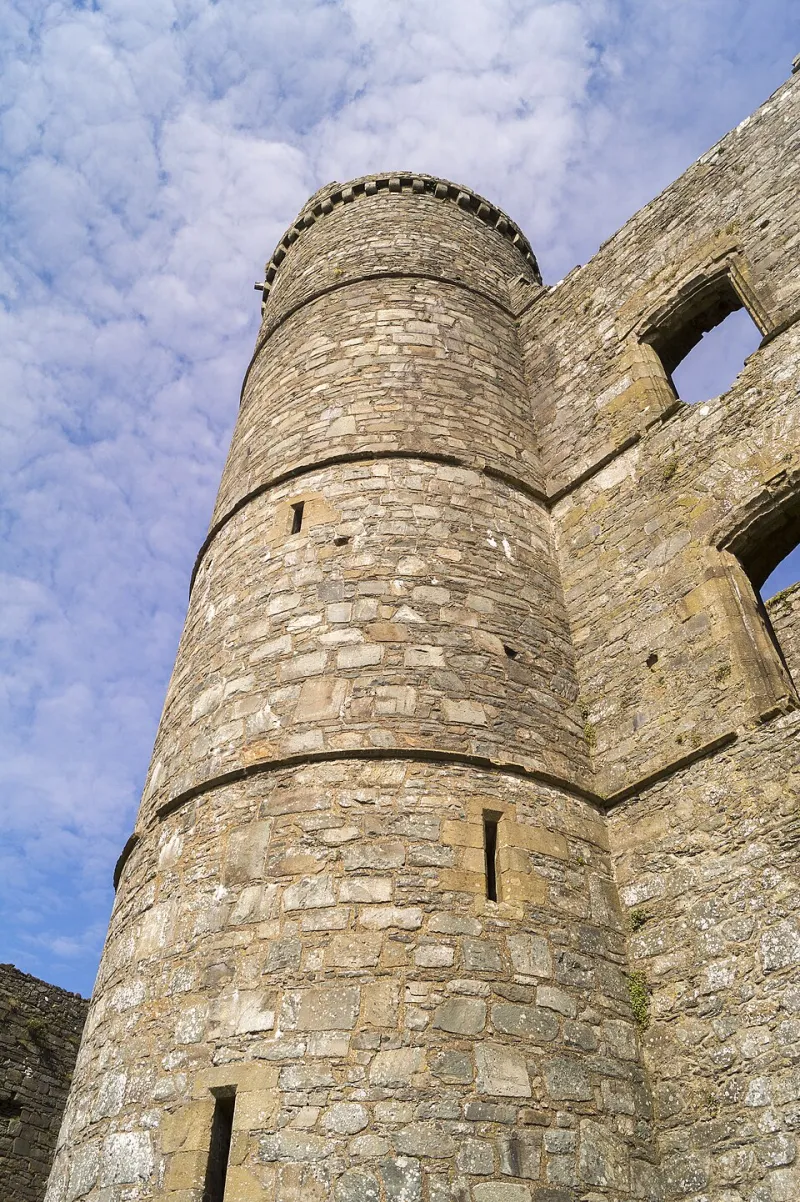
Photo: Cmao20, CC BY-SA 4.0, via Wikimedia Commons
If you've spent any time on this site, you already know the castle. It looms over the whole identity of Lupin III: The Castle of Cagliostro the way it looms over the fictional Grand Duchy — massive, layered, impossibly romantic. But here's the thing that casual viewers often miss: Miyazaki didn't just dream that place up out of whole cloth. The Castle of Cagliostro is stitched together from real stones, real history, and a very deliberate set of architectural choices that were ahead of their time in anime.
Let's pull back the curtain on the building that gave this whole website its name.
The Swiss and German Blueprints Miyazaki Was Definitely Staring At
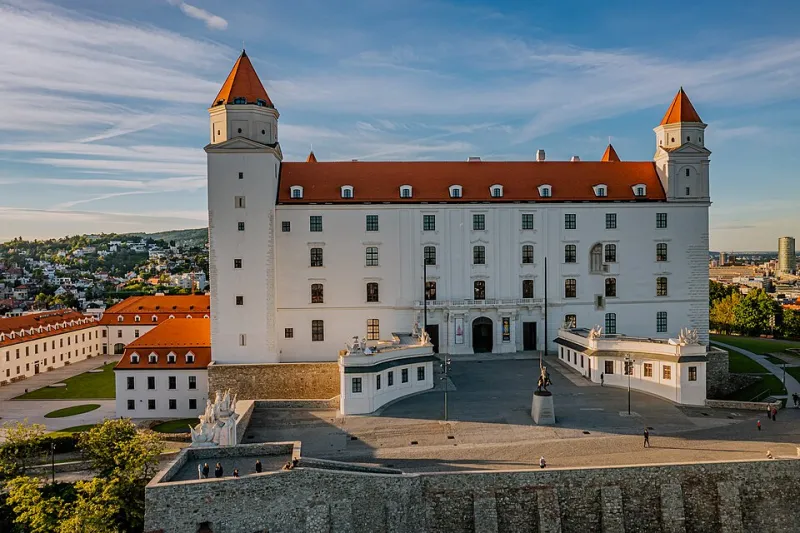
The most commonly cited real-world reference for Castle Cagliostro is Chillon Castle, the medieval fortress that sits right on the edge of Lake Geneva in Switzerland. And honestly, one look at Chillon and the comparison writes itself — the lakeside positioning, the way the structure climbs vertically from the water's edge, the layered towers that seem to grow organically from the rock beneath them. Miyazaki has spoken openly about his love for European landscapes, and Chillon fits the visual grammar of Cagliostro almost frame for frame.
But Chillon isn't the only influence in the mix. Architectural historians and obsessive fans have also pointed to elements pulled from German Rhine Valley castles — particularly the kind of multi-tower silhouette you see in places like Marksburg Castle in Braubach. That fortress has survived largely intact since the medieval period, and its compact, vertical profile shows up in how Cagliostro's towers stack against each other. Miyazaki wasn't copying any single building. He was compositing, the way a great production designer does, pulling the most cinematic elements from multiple sources and fusing them into something that feels more real than any individual reference.
The Roman Aqueduct Nobody Talks About Enough
Here's a detail that gets glossed over in a lot of Cagliostro discussions: the ancient aqueduct ruins that run through the castle grounds. That's not decorative filler. Roman aqueduct infrastructure is scattered across southern France, northern Italy, and parts of Germany — the Pont du Gard in France being the most famous example. Miyazaki folded that layer of antiquity into the setting deliberately, giving the Grand Duchy a sense of deep time that most animated films wouldn't bother with.
The ruins communicate something important: this place has been here for centuries, built on top of older things, which were built on top of even older things. That geological sense of history makes the castle feel genuinely ancient rather than just old. It's a storytelling trick that works on a subconscious level — you trust the setting because it has strata.
How Cagliostro Trained a Generation of American Anime Fans to See Europe
For a lot of American fans who discovered anime in the '80s and '90s — through VHS tapes, early cable screenings, or that legendary Streamline Pictures dub — Castle of Cagliostro was their first real exposure to a Japanese filmmaker's interpretation of European medieval architecture. And Miyazaki's vision was so confident and so visually specific that it basically became the default template.
This matters more than it might seem. Before widespread international travel, before Google Street View, before YouTube travel vlogs, American audiences were building their mental image of European castles largely through pop culture. Disney gave them a sanitized fairy-tale version. Hollywood gave them dark Gothic horror. Miyazaki gave them something that felt plausible — worn stone, functional towers, real water systems, gardens that had clearly been tended for decades. It was romantic but not fake.
The downstream effect on anime as a medium is real. When you watch later series that feature European-inspired settings — Fullmetal Alchemist, Violet Evergarden, Spice and Wolf — you're seeing a visual vocabulary that Cagliostro helped establish. Miyazaki essentially wrote the style guide.
The Underground Water System as Narrative Architecture
One of the most underappreciated design choices in the film is how central water is to the castle's layout. The underground cisterns, the moat, the waterfall — these aren't just pretty visuals. They're structurally integrated into the plot. The finale literally takes place in a drained ancient reservoir beneath the castle. That's not an accident.
Miyazaki was drawing on real medieval castle engineering, where water management was a critical defensive and logistical concern. Castles built near lakes or rivers often incorporated elaborate underground water systems for sieges, and the idea of a hidden subterranean space beneath a fortress is historically grounded. By making the hidden room and the ancient clock mechanism dependent on the water system, Miyazaki tied the mystery of the plot directly to the authentic bones of the architecture. The castle isn't just a backdrop — it's a machine, and understanding how it works is how Lupin solves it.
Why the Castle Still Hits Differently Than Any Other Anime Location
Decades later, Castle Cagliostro remains one of the most visually distinctive locations in all of anime. Part of that is Miyazaki's craft. Part of it is Yasuo Otsuka's character animation. But a significant part of it is that the setting was built on real research and genuine architectural curiosity.
When you watch the film and feel like the castle exists somewhere — like you could theoretically visit it if you just drove far enough into the Swiss-Italian borderlands — that feeling isn't accidental. It's the result of Miyazaki doing the homework, layering Chillon's lakeside drama onto Rhine Valley silhouettes onto Roman ruins onto medieval water engineering, and then animating all of it with a love for physical space that you can feel in every pan and establishing shot.
For American fans especially, Castle Cagliostro offered something rare: a European setting that felt researched rather than imagined. It respected the history it was borrowing from, even while telling a completely pulpy adventure story about a master thief and a princess and a secret counterfeit operation. That combination — serious architectural integrity in service of a wildly fun heist movie — is a big part of why this castle got its own fan website named after it.
And honestly? It earned it.